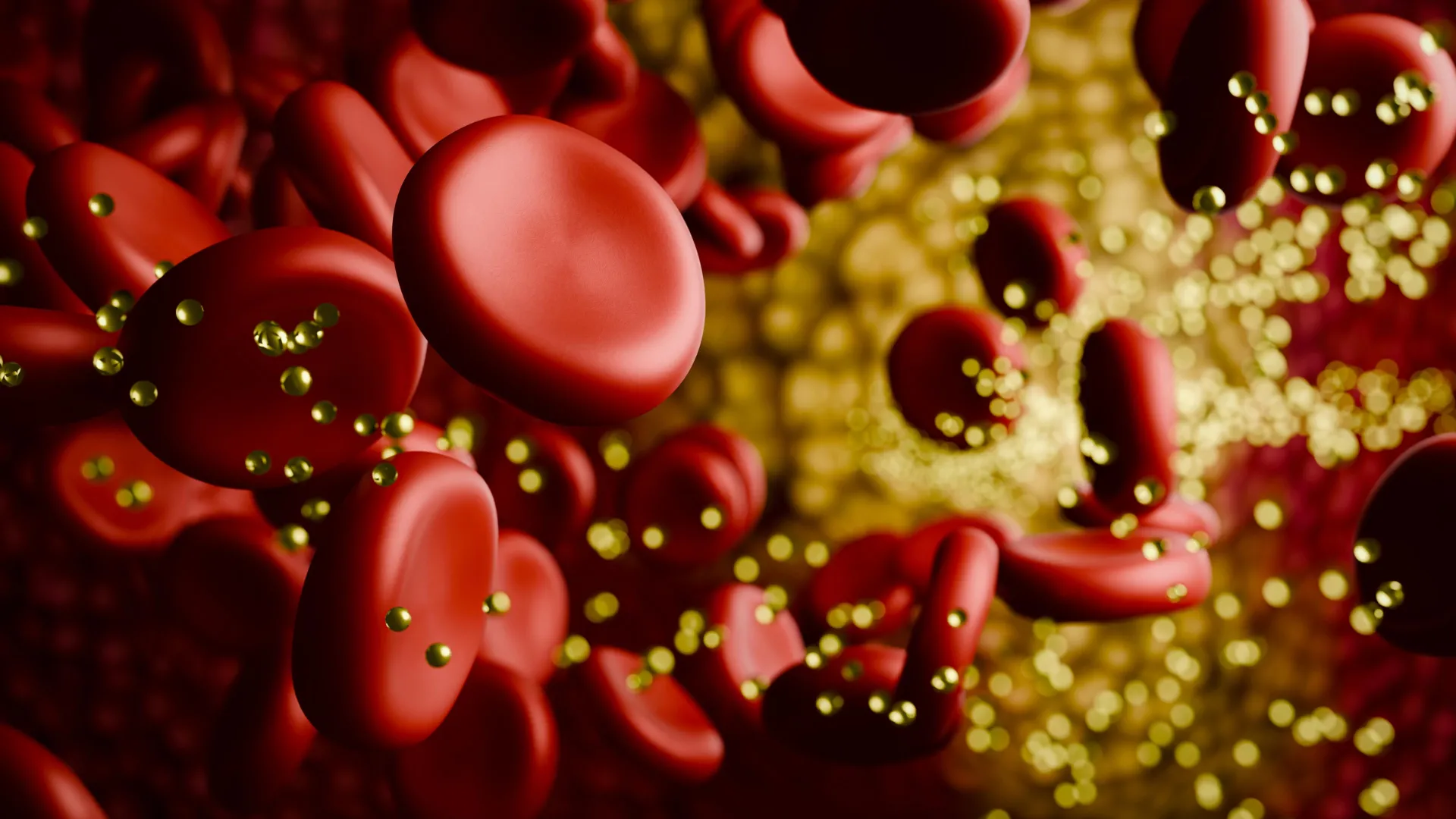
A first-in-human Phase 1 clinical trial from Cleveland Clinic found that a single infusion of a CRISPR-Cas9 gene-editing therapy produced lasting reductions in LDL (“bad”) cholesterol and triglycerides in people with lipid disorders that had not responded adequately to medications.
The study followed 15 patients for one year to determine whether the cholesterol and triglyceride reductions previously reported after two months would continue over time. After 12 months, participants who received the highest dose had a 52.5% reduction from baseline in LDL cholesterol and a 47.8% drop in triglycerides.
No serious adverse events related to the therapy were reported during the one-year follow-up.
Cholesterol Reductions Lasted for a Year
The findings were presented at the 2026 European Society of Cardiology annual meeting and published at the same time in the New England Journal of Medicine.
“Building upon the initial data presented in November 2025, the durability of the lipid-lowering effect was impressive,” said Cleveland Clinic cardiologist Luke Laffin, M.D., first author of the study.”It is encouraging that there were no serious safety events related to CTX310 in the trial and in the year following treatment. We look forward to continuing to investigate this therapy in a larger number of patients.”
CRISPR-Cas9 is a gene-editing technology designed to make targeted changes to specific parts of a person’s DNA. Researchers are studying it as a potential way to treat serious diseases by altering genes that contribute to those conditions.
How CTX310 Targets Blood Fats
The experimental treatment tested in the trial, called CTX310, is given as a one-time infusion. It carries the CRISPR editing system to the liver, where it switches off a gene known as ANGPTL3.
ANGPTL3 helps regulate fats circulating in the blood. Disabling the gene can reduce LDL cholesterol and triglycerides, both of which are associated with cardiovascular disease.
During the study, patients received CTX310 at doses ranging from 0.1 to 0.8 mg/kg. Before the infusion, they were treated with corticosteroids and antihistamines.
Researchers then monitored participants for treatment safety and measured changes in ANGPTL3, LDL cholesterol, and triglyceride levels.
At the highest dose, CTX310 lowered both LDL cholesterol and triglycerides by about 50% on average 12 months after treatment.
Long-Term Monitoring Will Continue
Although the early results are encouraging, CTX310 remains experimental and the study involved only 15 people.
Participants were monitored for one year after treatment, and researchers plan to continue long-term safety follow-up for another 15 years, in line with FDA recommendations for gene-editing therapies.
The study was funded by CRISPR Therapeutics AG; Zug, Switzerland.
Dr. Laffin’s institution has received research funding from Crispr Therapeutics.