By Kristin Collier
This article was originally published by Truthout
Organizers are calling to stop the collections, the wage garnishments, and the credit score reductions.
“It is so much money,” Jacqueline Wheelock said to me about the monthly payment amount she will soon be forced to pay for her student loans.
Until last summer, she wasn’t thinking about this bill. Under the repayment plan known as SAVE (short for Saving on a Valuable Education), she could afford her payments, so she made them, month after month, never missing one or paying late. At the lowest, Wheelock paid $35 each month, and at the highest, she paid $110.
But now, in the wake of the Trump administration’s termination of SAVE, like 7 million other Americans, Wheelock must find a new plan — and soon — that works for her.
The problem is, she can’t find one that is remotely affordable. The cheapest plan available will cost her $285 but extend her repayment — and the total amount she pays — significantly. And the income-driven options that would qualify for the Public Service Loan Forgiveness (PSLF) program, a program meant to relieve debtors after 10 years of qualifying payments and work in a public service job, would cost her between $693 and $733.
“Where the fuck is that money coming from?” she asked me. “I can’t work any harder. There’s nothing else I can cut out. My basic needs have to be met.”
Trump’s Dismantling of SAVE Plan Hits First Wave of Borrowers This Week
Wheelock, who was contacted by her servicer on July 8, was among the first wave of debtors to receive notice that it’s time to make the switch. That notice was the start of a clock. Once sent, borrowers have 90 days to make the decision or the decision will be made for them: They’ll be automatically enrolled in the Standard Repayment Plan which is among the most expensive options. For the debtors alerted on July 1, their deadline is September 29.
SAVE’s termination followed two years of legal challenges, spearheaded by GOP-led states that claimed, essentially, that then-President Joe Biden didn’t have the authority to make this plan and that the plan itself was too generous, designed to achieve mass cancellation after his first effort was blocked by courts. Though another lawsuit could shift the loan options again, possibly reinstating an older repayment plan (REPAYE) that’s been phased out (illegally, the plaintiffs say), it’s unclear when the judge will rule.
When a student loan payment makes it impossible for debtors to meet their basic needs, they have two options: don’t pay the loan or don’t meet your needs. Right now, there is evidence of both, each of which comes with devastating consequences.
In a recent survey of 7,500 people conducted by Protect Borrowers and the American Federation of Teachers (AFT) — which included AFT members, educators, health care workers, and public employees — 74 percent of respondents said they were living paycheck to paycheck. Over half of them said they were “losing sleep” because of their debt, and 32 percent of them reported that they avoided medical treatments when faced with financial stress. “Falling behind or going into collections on student loans are significantly associated with forgoing mental healthcare and counselling, seeing a doctor or specialist, follow‐up care, prescriptions and dental care,” summarized researchers in a 2019 study of the relationship between student debt delinquency and health care.
Meanwhile, over 9 million debtors are in default on their loans, a status reached after not making payments for 270 days. Another 1.5 million are in the late stages of delinquency and may enter default in the coming months. Defaulted loans can lead to a lowered credit score, wage garnishment, or the loss of Social Security income.
This cascade of harmful outcomes robs debtors of money they already didn’t have, leading to new levels of insecurity and new consequences — an endless punitive loop.
The Student Loan System Has Sunk Into Dysfunction Under Trump
It’s not just that debtors cannot afford the new plans they are being forced to choose from, it’s that the entire loan apparatus that would allow them to make this painful choice has broken down and is, at the moment, beyond repair.
Since SAVE’s termination and the introduction of a new Trump-era repayment plan called RAP (Repayment Assistance Plan), debtors have received confusing and sometimes contradictory information about when they need to switch plans, which plans they should switch into, and how much those plans will cost them. Additionally, sometimes Federal Student Aid has the wrong information on how many qualifying payments they’ve made for their income-driven repayment plan or toward PSLF. And in some cases, debtors’ payment counts have actually dropped without notice or explanation.
This summer, some debtors were mistakenly quoted $50 monthly payments — a number that drove them to make decisions about their plans — before being told it was another error and that what they actually owed would be hundreds of dollars higher. Others were told they were in default, and that default was reported to credit agencies, but, in fact, they were not. Debtors told me this error not only harmed their credit, but also made them feel terrified and ashamed.
When people want clarity, want a human voice to guide them through all the errors and impossible choices, they struggle to reach someone. Debtors report waiting hours on the phone only to sometimes get the wrong information, or be told that the representative doesn’t have the answer, before they are passed elsewhere.
Debtors Are Mobilizing to Demand Change
The student loan landscape is on fire, and everyone, whether they have loans or not, should be rushing to put it out.
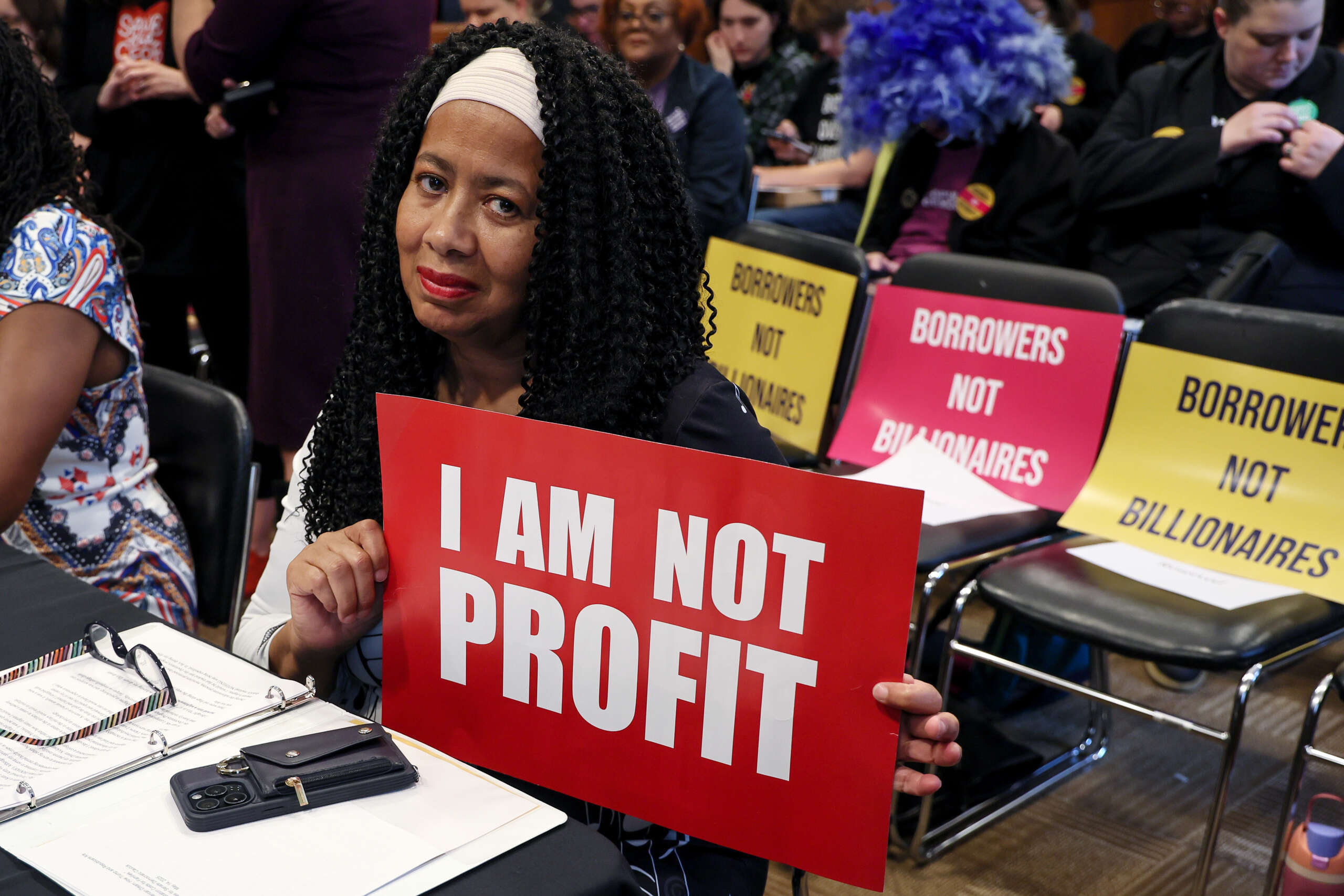
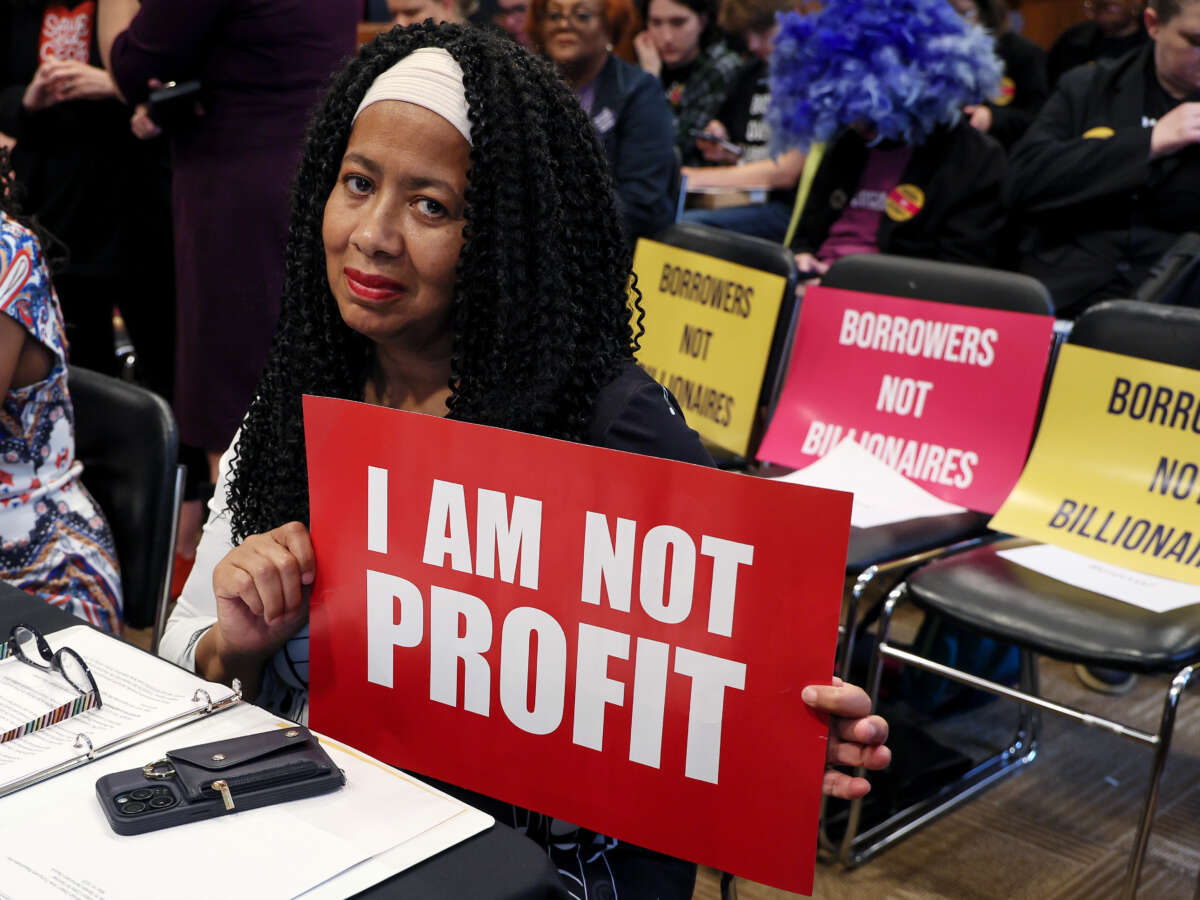
A coalition of 89 organizations representing “millions of students, borrowers, workers, veterans, people of color, people with disabilities, and consumers” are calling for an “emergency hearing” so that legislators can look into the widespread dysfunction and hold the administration accountable.
This should happen, but it’s not enough.
The coalition writes that they are “sounding the alarm” on the state of student loans, which makes me wonder: Why wouldn’t our elected leaders have heard it yet? It’s so loud, so persistent, so wild and grating, that it’s all some of us hear.
“I’m having trouble thinking of our future together,” Wheelock told me when we spoke in late summer. She’d recently gotten engaged, and rather than celebrating that commitment, she worried that their marriage will mean her loan payments spike even higher.
For debtors in the trenches of repayment, struggling to feed themselves, struggling to find or sustain their housing, to pay for treatments, to care for their family, all they can hear is the alarm. It’s everywhere.
If elected leaders don’t understand the scale and the depth of debtors’ suffering, it means they are not doing their jobs. And if they don’t care, they shouldn’t have them.
Last week, state student loan ombudsmen representing over 100,000 borrowers wrote to Education Secretary Linda McMahon and key legislators to request that the department “take immediate corrective action, including delaying mandatory repayment plan transitions until these operational failures are fully resolved.”
In other words, halt everything until they have a system that works.
This letter was preceded by a call for a payment pause by an emerging flank of the student debt coalition, which includes member organizations such as the Debt Collective, Student Debt Crisis Center, and Democratic Socialists of America. These organizations have continued to organize their members on the ground, empowering them to contact their representatives, tell their stories, and escalate their shared demand.
The demands of this group are necessary and clear. They meet the scale of the moment. Stop the collections, the wage garnishments, the credit score reductions. Stop the payments. Send in the firefighters, put out the fire.
This article was originally published by Truthout and is licensed under Creative Commons (CC BY-NC-ND 4.0). Please maintain all links and credits in accordance with our republishing guidelines.